As a result of last season's unexpected high yield harvest, Western European farmers had agreed to planted up to 25% less potatoes.
Real figures show a different image with an NEPG (North-western European Potato Growers) result of 11%.
Belgium : -16,60% The Netherlands : -15,10%
France : -9,70% Germany : -11,30% (estimation) Total cut in surface planted : some 67 000 hectares.
The most significant fall back is to be noted in so-called early varieties (harvest time July) with minus 20%. For main crop varieties (harvest time from end of August till end of October) the reduction is estimated at around 8-9% in planted surface.
If the weather conditions during the growth period would be "potato friendly" there would be no man overboard and the processing industries would have to face a marginal unemployment of their total processing capacities during the entire season, which runs from August 2026 till early July 2027.
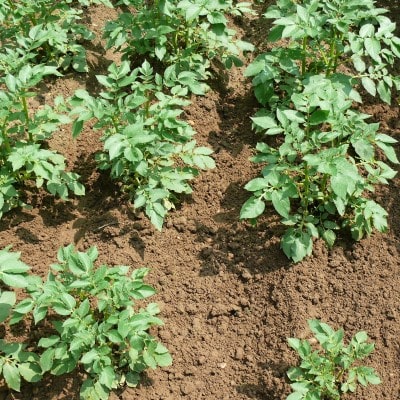
However the climate change is causing a totally different image. In June there was scattered rainfall in most growing areas, so that the start was rather promising. The succession of heatwaves in July hit the potato plant right at the time of blooming and tuber setting underneath the plant. As soon as outside temperature reaches 26-27°C for some time, the soil warms up and the plant stops its development. In case the plants have developed good leaves, the effect can be limited, but where only small foliage was grown, the biologic reaction is immediate. The result is that the plant will restart growth at a later stage and create so-called regrowth, a 2nd generation of new potatoes, which sucks the life from the 1st generation. it means an overall reduction of total output combined with serious problems during conservation in the barns for the rest of the season. The first official figures in France show an estimated reduction in output of vegetables and potatoes of 20 % and for the next 12 days there is not one indication of possible rainfall in the entire NEPG area.
Potato processing companies have contracted with farmers lower volumes than before and will find themselves in the obligation to buy extra volumes on the spot markets, which already show restless behaviour at this moment even before the first spud has been lifted.
The overall expectation is that prices of non-precontracted fresh potatoes will increase very soon and on top of that farmers will want to recuperate some of the money they lost during last season's situations of oversupplies.